
Table of Contents
- What Makes Small Batch Coffee Roasters Stand Out
- Small Batch vs. Mass-Produced Coffee: Why the Difference Matters
- How to Choose Coffee Beans: A Buyer's Framework
- Best Small-Batch Coffee Brands: Our 2026 Selection
- Freshness and Roast-to-Order Practices
- Coffee Bean Storage: Keeping Beans Fresh
- Pricing and Value: What You Actually Pay
- Frequently Asked Questions
Last Updated: October 21, 2026
What Makes Small Batch Coffee Roasters Stand Out
Small batch coffee roasters distinguish themselves through intentional control over every stage of production. Unlike mass-produced operations that prioritize volume, small batch roasters focus on quality, traceability, and freshness.
The difference matters for flavor. When coffee sits too long after roasting, it loses complexity and brightness. Small batch operations roast to order or in tight batches, preserving the nuanced tasting notes that make specialty coffee worth seeking out.
What separates the best small batch coffee roasters from casual operators is transparency. Real small batch roasters print roast dates on every bag. They source directly from producers, not commodity brokers. They can tell you which farm grew your beans, at what altitude, and how they were processed.
Small batch roasting also allows for experimentation. Roasters can test seasonal coffees, limited releases, and origin-specific profiles without the financial risk of mass production. This flexibility creates variety for home brewers who enjoy exploring different roasts and blends.
Small Batch vs. Mass-Produced Coffee: Why the Difference Matters
Mass-produced coffee prioritizes shelf stability and cost reduction. Industrial roasters aim for uniform flavor profiles that appeal to the broadest audience. They roast in massive batches, which means individual beans receive inconsistent heat exposure.
Small batch coffee roasters take the opposite approach. Smaller batch sizes allow precise temperature control and shorter roast times. Every bean gets consistent heat exposure, producing cleaner, more vibrant cups. The roast date becomes meaningful because freshness directly impacts what you taste.
Freshness reveals the real difference. A mass-produced bag from a grocery store shelf may have been roasted months ago. The oils have oxidized, the aromatics have faded, and what you're drinking is a shadow of what the coffee could have been.
Cost is often cited as a tradeoff, but this misses the point. Small batch coffee costs more per pound than commodity coffee, but you're not paying for marketing or packaging complexity. You're paying for superior beans, careful roasting, and the logistics of fresh delivery.
| Factor | Small Batch Roasters | Mass-Produced Coffee |
|---|---|---|
| Roast Date | Printed on bag, days old | Often unknown, months old |
| Flavor Profile | Complex, nuanced, origin-specific | Uniform, safe, predictable |
| Freshness | Peak within 2-4 weeks | Degraded after 4-6 weeks |
| Sourcing | Direct from producers | Commodity brokers |
| Batch Size | 5-50 lbs per roast | 500+ lbs per roast |
| Traceability | Farm name, altitude, process | Unknown origin |
How to Choose Coffee Beans: A Buyer's Framework
Choosing coffee beans depends on three variables: roast level, origin, and your brewing method. Start by understanding what each roast level delivers, then match it to your equipment and taste preferences.
Roast Level and Flavor Profile
Light roasts preserve the most origin character. They highlight the bean's natural sweetness, acidity, and fruit-forward notes. Light roasts work best in pour-over or filter coffee methods where you want clarity and brightness. The roast is typically stopped just after the first crack, preserving the coffee's inherent qualities.
Medium roasts balance origin character with roasted flavors. You'll taste chocolate, nuts, and caramel alongside the coffee's natural sweetness. Medium roasts work across most brewing methods: espresso, pour-over, French press, or automatic drip. This is the most versatile roast level and a good starting point if you're exploring small batch roasters.
Dark roasts emphasize roasted flavors over origin character. You'll taste bold, smoky, earthy notes with lower acidity and a heavier body. Dark roasts work well in espresso or when you want a strong, assertive cup. They're also forgiving in lower-quality brewing equipment because the roasted flavors mask inconsistencies.
Single-Origin vs. Blends
Single-origin coffees come from one farm, region, or country. They showcase what that specific terroir produces. A single-origin from Peru will taste completely different from a single-origin from Tanzania because the altitude, soil, climate, and processing methods vary. Single-origin coffees are ideal for exploring how geography shapes flavor.
Blends combine beans from multiple origins. A blend might mix beans from three countries to create a balanced, consistent flavor profile. Blends are designed to smooth out the variability of single-origin coffees and create a house flavor that roasters can replicate batch to batch. Many coffee enthusiasts prefer blends for everyday drinking because they're predictable and well-rounded.
Sourcing and Producer Relationships
Real small batch roasters work directly with coffee producers. This direct trade relationship means roasters pay premium prices for premium beans, and producers receive fair compensation for quality work. Direct relationships also enable transparency: you know exactly where your coffee comes from.

Ask roasters about their sourcing practices. Do they visit farms? Do they maintain long-term relationships with producers? Can they name the cooperative or individual farmer who grew your beans? These questions separate committed roasters from those simply buying commodity coffee and calling it specialty.
Best Small-Batch Coffee Brands: Our 2026 Selection
Best Sellers Sample Pack: Explore Multiple Roasts
Our top pick is the Best Sellers Sample Pack at $24.99. This pack includes six 2-ounce samples: 6Bean Blend, Cowboy Blend, Breakfast Blend, Peru, Mexico, and Bali single-origins. It's the ideal entry point for anyone exploring small batch coffee roasters.
The 6Bean Blend is a dark roast house blend designed for espresso. It combines coffee from around the world into a meticulous blend with balanced flavor. The Cowboy Blend mixes dark and medium roasted coffee, delivering cocoa, caramel, and vanilla tones.
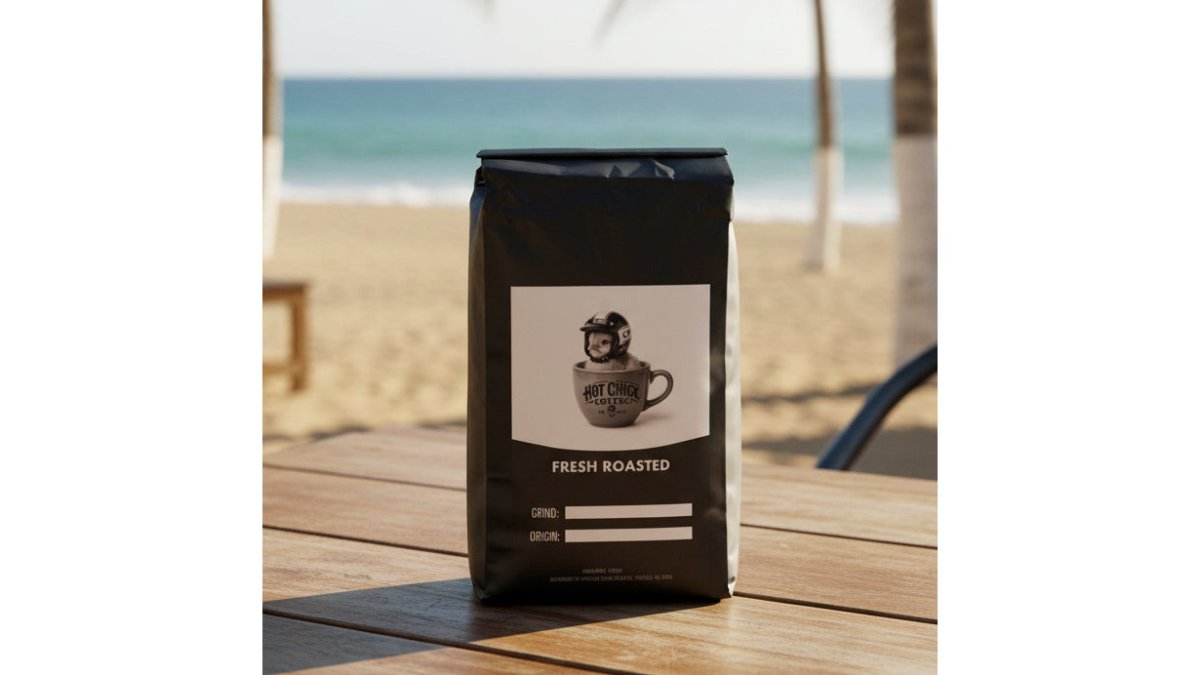
The single-origin samples let you taste how geography shapes flavor. Peru delivers salted caramel, silky sweetness, and citrus notes. Mexico brings chocolate, cinnamon, and green apple.

Single-Origin Coffees: From Peru to Colombia
Single-origin coffees let you taste the world, one origin at a time. Our Peru single-origin at $19.88 comes from Cooperativa Agricola de Servicisios Norandino in Piura, Amazonas.

Colombia at $17.99 represents exceptional value for a single-origin. Sourced from smallholder farmers in Medellin, Antioquia, this medium roast delivers dried orange, berry, and chocolate notes.
Tanzania at $19.88 offers something different: a medium-light roast with floral, jasmine, and strawberry notes. Small cooperative farmers in the Mbeya region grow these Bourbon and Kent varieties.
Best Sellers Sample Pack: 6Bean, Cowboy, Breakfast, Peru, Mexico, Bali →
For those seeking earthier profiles, Sumatra at $19.88 delivers syrupy body, dark chocolate, dried fruit, and earthy notes.
Guatemala at $19.88 balances dark chocolate, bright fruit, and butterscotch. Sourced from smallholder farmers in Antigua and grown in volcanic loam soil, this medium roast captures the richness Guatemala is known for.
Costa Rica at $17.99 is another value pick. Micro farms in Alajuela produce beans with sweet apple, raisin, and honey notes.
Freshness and Roast-to-Order Practices
Roast-to-order is the hallmark of serious small batch roasters. When you order, the roaster roasts your beans within 24-48 hours and ships them immediately. This means your coffee arrives 3-5 days after roasting, at peak freshness.
Compare this to retail coffee. Even specialty coffee shops often roast weekly in batches, meaning some bags sit for days before you buy them. Online retailers may hold inventory for weeks. By the time you brew it, the coffee has lost aromatic complexity and the oils have begun oxidizing.
Roast dates matter. Coffee peaks in flavor 3-10 days after roasting. The first three days, CO2 is still escaping, which can create channeling in espresso. After ten days, the coffee begins to fade. A coffee roasted 30 days ago is past its prime.
Small batch roasters print roast dates because they're proud of their freshness. It's a transparency signal. If a roaster won't print the roast date, they're hiding something.
Coffee Bean Storage: Keeping Beans Fresh
Coffee beans stay fresh in an airtight container away from light, heat, and moisture. Store beans at room temperature, never in the refrigerator or freezer. Cold temperatures cause condensation, which introduces moisture and degrades flavor.
Use an opaque, airtight container. Clear containers expose beans to light, which accelerates oxidation. Glass jars with rubber seals work well. Vacuum-sealed bags also work if you reseal them after opening.
Grind beans just before brewing. Whole beans preserve flavor longer than ground coffee. Ground coffee oxidizes rapidly due to increased surface area. If you must grind ahead, use within 30 minutes for best results.
Opened bags of whole beans stay fresh for 2-4 weeks in proper storage. Unopened bags last slightly longer. Once beans are ground, use within 24 hours for peak flavor.
Pricing and Value: What You Actually Pay
Small batch coffee costs more per pound than mass-produced alternatives, but the value equation is different. You're paying for freshness, traceability, and careful roasting.
Hot Chick Coffee prices single-origin coffees at $17.99 to $19.88 per bag, with sample packs at $24.99. Free shipping means no hidden costs.
Buying direct from small batch roasters eliminates the retail markup. You pay the roaster's cost plus margin, not the coffee shop's cost plus their margin.
The real value comes from consistency. Every bag from a small batch roaster delivers the same quality because they control the entire process. You're not gambling on whether this bag will be good.
Choosing the best small batch coffee roasters comes down to prioritizing freshness, traceability, and flavor. Look for roasters who print roast dates, source directly from producers, and roast in small batches.
At Hot Chick Coffee, we deliver freshly roasted small batch coffee with free shipping and no sales tax in most states.
Frequently Asked Questions
What does small-batch coffee mean?
Small-batch coffee refers to beans roasted in limited quantities, typically in smaller roasting operations rather than mass-production facilities. These roasters focus on quality control, traceability, and freshness. Each batch is monitored closely to ensure consistent roast profiles and flavor. Small-batch roasters often source directly from producers, maintain detailed records of origin and altitude, and roast to order or shortly before shipment to guarantee maximum freshness when the coffee reaches your door.
Is small-batch coffee better than mass-produced coffee?
Small-batch coffee generally offers superior freshness and flavor consistency. Mass-produced beans sit longer in warehouses and lose aromatic compounds over time. Small-batch roasters use traceability to track origin, altitude, and processing methods, resulting in more predictable tasting notes. You also have direct access to roast dates, which mass-market options rarely provide. The trade-off is price: small-batch coffee costs more per pound, but many enthusiasts find the quality and variety worth the investment.
How do I know if small-batch coffee beans are actually fresh?
Check the roast date on the bag, not the purchase date. Fresh small-batch beans should be roasted within 1-2 weeks of arrival at your home. Roasters who publish roast dates demonstrate transparency and confidence in their product. Look for vacuum-sealed or one-way valve bags that protect beans from oxygen. Beans roasted more than 4 weeks ago will have lost significant aroma and flavor complexity. Reputable small-batch roasters always display roast dates prominently and often offer roast-to-order options for maximum freshness.
How should I store freshly roasted coffee beans?
Store beans in an airtight container away from light, heat, and moisture. Keep them at room temperature, never in the refrigerator or freezer, as temperature fluctuations cause condensation that damages flavor. A sealed jar in a cool, dark cupboard works well. Whole beans stay fresh for 2-4 weeks after roasting; ground coffee loses freshness within days. Buy only what you'll use in a month, and grind just before brewing. Avoid clear containers and direct sunlight, which degrade the oils that give coffee its flavor.
What's the difference between single-origin and blend coffees?
Single-origin coffee comes from one specific region or farm, allowing you to taste the unique characteristics of that terroir, altitude, and processing method. Blends combine beans from multiple origins to create balanced flavor profiles or highlight specific tasting notes like chocolate or fruit. Single-origins offer traceability and distinct flavor experiences, while blends provide consistency and complexity. Small-batch roasters excel at both: they source single-origins directly from producers and craft blends that showcase complementary flavor profiles from different regions.
0 comments